Discover The JobBridge: Your Accessible Employment Platform
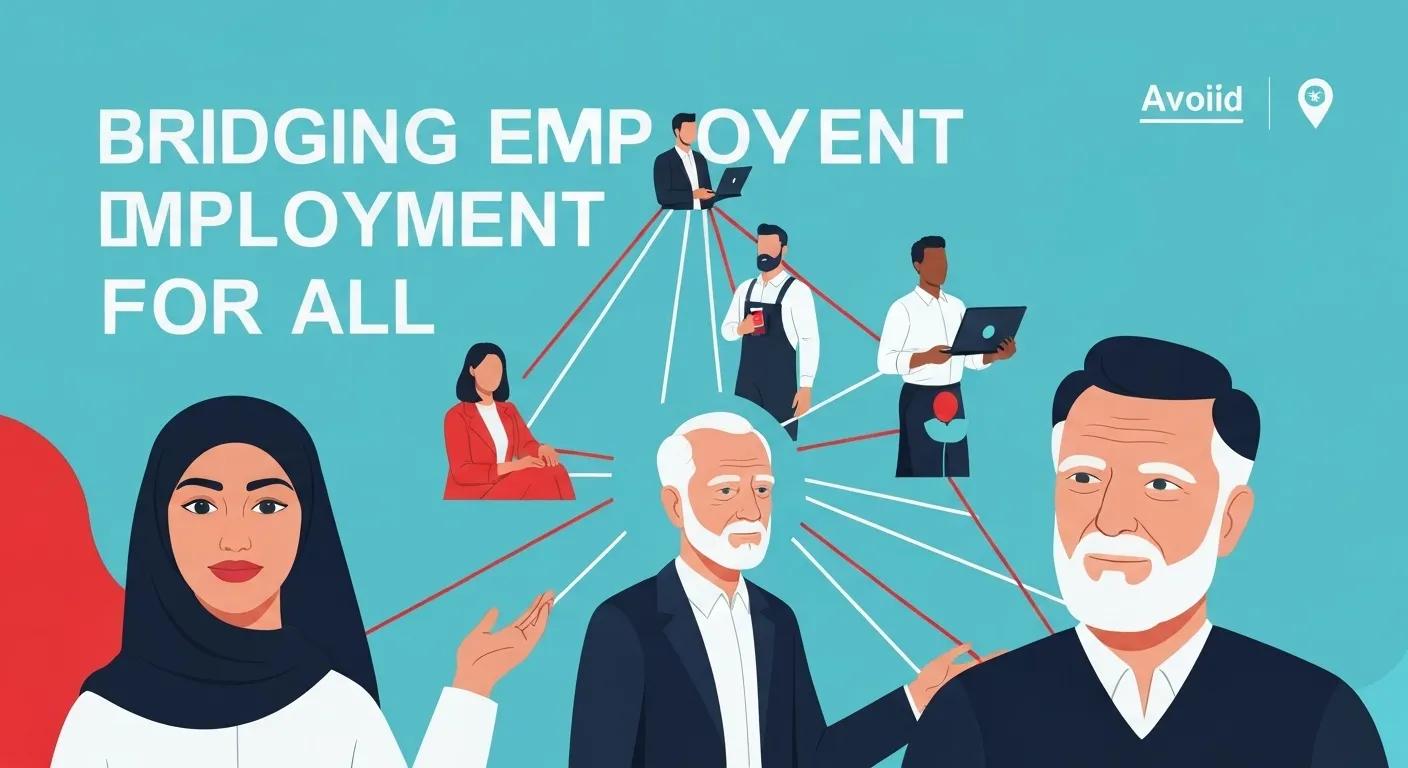
Accessible Employment Solutions with The JobBridge, Inc: Building Bridges, Not Barriers in Disability Inclusion and Hiring People With Disabilities
Millions of skilled individuals with disabilities face unnecessary obstacles to meaningful work. The JobBridge, Inc. addresses this gap by offering an accessible employment platform that connects talent to opportunity. This guide defines accessible employment, examines its benefits, explores The JobBridge matchmaking process, outlines practical steps for employers, highlights best hiring practices, surveys resources for job seekers, analyzes industry trends, and invites organizations to join the movement. Discover how to build bridges, not barriers, by weaving actionable insights with The JobBridge’s unique value propositions: specialized matchmaking, barrier removal tools, assistive technology guidance, and employer education.
What Is Accessible Employment and Why Does It Matter?
Accessible employment means creating job opportunities and workplaces free from physical, digital, and attitudinal barriers, allowing individuals with disabilities to fully participate and thrive. By removing obstacles like inaccessible software, inflexible schedules, or unconscious bias, organizations promote social inclusion and tap into a talented workforce. Adapting interview formats for neurodivergent candidates, for example, shows how simple policy changes can transform hiring outcomes and bolster company culture. This foundational concept underpins disability inclusion strategies and sets the stage for measuring both human and business impact.
How Does Accessible Employment Support People With Disabilities?
Accessible employment empowers individuals with disabilities by offering adjusted environments, assistive tools, and equitable processes that recognize unique strengths.
- Improves independence by ensuring workplaces accommodate mobility, sensory, and cognitive needs.
- Enhances skill development through tailored training and coaching programs.
- Boosts confidence by valuing diverse problem-solving approaches and perspectives.
By fostering autonomy and professional growth, accessible employment creates a virtuous cycle of engagement and opportunity, naturally extending into broader conversations about workplace innovation.
What Are the Benefits of Disability Inclusion in the Workplace?

Organizations gain significant advantages by embracing disability inclusion in hiring:
- Increased innovation: Varied perspectives challenge conventional thinking.
- Enhanced employee morale: Inclusive cultures foster teamwork and respect.
- Broader customer reach: Reflecting diverse demographics in product development.
- Stronger financial performance: Inclusive companies enjoy 28–30% higher profit margins.
Benefits of Hiring for Diversity and Inclusivity
Inclusive hiring practices can lead to increased staff retention and boost productivity and morale, fostering teamwork and respect. (British Business Bank, Benefits of hiring for diversity and inclusivity (n.d.))
How Does Accessible Employment Drive Business Success?
Inclusive hiring and barrier removal translate into measurable business outcomes:
- Expanded talent pool: Access under-represented candidates with specialized skills.
- Reduced turnover: Greater employee loyalty and engagement.
- Reputation uplift: Customers and investors reward social responsibility.
- Innovation acceleration: Cross-functional teams leverage neurodiversity and unique problem-solving methods.
Recognizing disability inclusion as an asset positions companies for sustainable growth and market leadership.
How Does The JobBridge, Inc. Connect Job Seekers and Employers?
The JobBridge, Inc. facilitates matches between qualified candidates with disabilities and inclusive employers through a streamlined platform that assesses needs, profiles strengths, and recommends optimal pairings. By combining advanced matchmaking algorithms with human-centered support, The JobBridge ensures every connection is both accessible and mutually beneficial. This approach transforms traditional recruitment into a collaborative network where barriers are identified and removed before they block opportunity.
What Features Does The JobBridge Platform Offer for Job Seekers?
The JobBridge platform offers job seekers with disabilities robust tools for finding and securing roles:
- Accessible job search filters accommodating mobility, sensory, and cognitive requirements.
- Profile customization to highlight accommodations, assistive technology needs, and skillsets.
- Virtual mentoring and peer support forums fostering community and sharing best practices.
- Automated notifications for compatible positions and deadlines.
These features empower candidates to navigate the job market with confidence and clarity.
How Does The JobBridge Support Employers in Inclusive Hiring?
Employers benefit from The JobBridge’s employer dashboard and candidate management system:
- Automated screening tools surfacing qualified candidates with relevant accommodation profiles.
- Accessibility assessment checklists for auditing physical and digital environments.
- Reporting dashboards tracking diversity metrics, accommodation requests, and placement outcomes.
- Training modules on bias reduction, inclusive interviewing, and policy compliance.
These resources streamline inclusive hiring and maintain accountability over long-term inclusion goals.
What Partnership Opportunities Does The JobBridge Provide?
The JobBridge offers partnerships that extend impact beyond individual hires:
- Collaborations with disability advocacy groups for co-developed training and outreach.
- Joint research initiatives on assistive technology efficacy and accommodation best practices.
- Sponsorship options for community events, webinars, and career fairs focused on disability employment.
- White-label solutions for large enterprises seeking custom accessibility platforms.
These partnerships amplify reach and create ecosystems that support continuous inclusion innovation.
How Can Employers Create Truly Accessible and Inclusive Workplaces?
Creating an inclusive workplace means redesigning environments, processes, and mindsets to support every team member. Employers begin by identifying barriers, implementing accommodations, and integrating assistive technologies. Combining flexible scheduling with screen-reader software and mental-health support services illustrates how comprehensive accessibility fosters resilience and productivity.
What Are Practical Steps to Remove Barriers to Employment?
To eliminate barriers, employers should:
- Conduct a facility audit for accessibility standards (ramps, workstations, signage).
- Review digital platforms for WCAG 2.1 compliance.
- Train hiring teams on inclusive language and adaptive interview techniques.
- Establish clear accommodation request processes and communication channels.
- Monitor employee feedback to identify and refine policies.
Implementing these actions systematically cultivates a workplace where barriers are proactively dismantled.
How Can Employers Implement Reasonable Accommodations Effectively?
Employers can streamline accommodations by:
- Consulting with candidates and employees to tailor solutions.
- Documenting accommodation plans with timelines and stakeholders.
- Leveraging external experts or occupational therapists for guidance.
- Evaluating accommodation effectiveness through periodic reviews and feedback loops.
This structured approach ensures accommodations enhance performance and foster trust.
What Role Does Assistive Technology Play in Workplace Accessibility?

Assistive technology bridges capability gaps by adapting hardware and software to user needs, enabling communication, navigation, and productivity for diverse disabilities. It removes digital and physical barriers that traditional setups cannot address.
Assistive Technologies for the Workplace
Assistive technology includes tools, equipment, devices, and software that help users perform tasks related to work, productivity, quality of life, or independence. Examples include extendable reaching devices or adjustable desks. (PDQ, 8 assistive technologies for your workplace (2023))
Which Assistive Technologies Are Most Effective for Different Disabilities?
What Are Best Practices for Hiring People With Disabilities?
Best practices combine proactive recruitment, structured onboarding, and policy adherence to embed inclusion as a core value. Integrating accessibility into every step cultivates diverse teams that reflect real-world perspectives and drive collective growth.
How Can Employers Recruit and Onboard Diverse Talent Successfully?
Employers should:
- Craft inclusive job postings with plain language and clear accommodation statements.
- Partner with disability service organizations and campus recruitment programs.
- Offer pre-boarding materials in accessible formats (audio, large print).
- Assign seasoned mentors to guide new hires through systems and culture.
- Provide feedback channels respecting diverse communication preferences.
These steps reinforce that diversity is an asset from day one, improving retention and engagement.
What Legal Compliance Must Employers Follow for Disability Inclusion?
Maintaining compliance involves:
- Adhering to the Americans with Disabilities Act (ADA) for reasonable accommodation.
- Following Equal Employment Opportunity Commission (EEOC) guidelines on non-discrimination.
- Implementing internal policies consistent with federal and state regulations.
- Conducting periodic audits to verify adherence and address gaps proactively.
The ADA: Your Responsibilities as an Employer
The Americans with Disabilities Act (ADA) prohibits discrimination against individuals with disabilities in all areas of public life, including employment. Employers with 15 or more employees must provide equal employment opportunities and reasonable accommodations. (Tilson HR, What Employers Should Know About ADA Compliance in the Workplace (n.d.))
How Does Neurodiversity Enhance Workforce Diversity?
Neurodivergent individuals often exhibit strengths in pattern recognition, attention to detail, and creative problem-solving. Embracing neurodiversity leads to:
- Specialized hiring programs tailored to atypical interview formats.
- Collaborative teams benefiting from unconventional perspectives.
- Innovation in process design by challenging assumptions.
Recognizing neurodiversity as a competitive advantage deepens organizational resilience and creativity.
Neurodiversity in the Workplace
Neurodivergent workers contribute talents, skills, and perspectives that benefit an organization’s mission, productivity, and performance, leading to innovation and new ways to solve problems. (AskEARN, Neurodiversity in the Workplace (n.d.))
Where Can Job Seekers Find Accessible Jobs and Support?
Job seekers with disabilities can access tailored opportunities and resources through dedicated platforms, community networks, and advocacy organizations. The JobBridge platform lists jobs with specified accommodation options, while external support groups provide mentorship, legal advice, and peer encouragement. Leveraging these channels accelerates job search success and builds confidence.
How to Use The JobBridge Platform to Find Jobs for Disabled Individuals?
To navigate The JobBridge, job seekers should:
- Create a profile detailing skills, accommodation needs, and assistive technology preferences.
- Apply search filters for workplace accessibility features and remote opportunities.
- Sign up for alerts on new postings matching individual criteria.
- Engage in virtual career fairs and webinars hosted on the platform.
Following these steps optimizes discovery and positions candidates for meaningful matches.
What Assistive Technologies Help Job Seekers Succeed?
Job seekers benefit from:
- Resume builders with speech-to-text and screen-reader compatible formatting.
- Interview preparation apps offering practice prompts with real-time feedback.
- Virtual reality simulations for workplace orientation and skill demonstrations.
- Mobile magnification tools and voice-control keyboards for application navigation.
These tools reduce process friction and amplify candidate readiness.
What Rights and Accommodations Are Available to Job Seekers?
Job seekers have rights under ADA and related laws, including:
- Requesting reasonable accommodations during interviews and onboarding.
- Accessing job information in alternative formats.
- Filing complaints for discriminatory practices.
- Seeking support from vocational rehabilitation agencies.
Awareness of legal protections empowers candidates to advocate for equitable treatment.
Where Can Job Seekers Find Success Stories and Community Support?
Candidates can draw inspiration and guidance from:
- Platform testimonials highlighting career breakthroughs.
- Peer-led support groups offering mentorship and networking.
- Social media communities focused on disability employment.
- Alumni spotlights showcasing diverse career paths.
These narratives foster resilience and underscore the transformative power of connection.
What Are Current Industry Trends and Statistics in Disability Employment?
Disability employment trends reveal persistent gaps and emerging opportunities. While the unemployment rate for persons with disabilities remains about twice that of those without, remote work adoption and assistive-tech innovation are narrowing barriers. Understanding these patterns informs strategic planning and fuels advocacy for systemic change.
What Is the Unemployment Gap for People With Disabilities?
Recent data shows:
- A disability unemployment rate of approximately 7.5%, compared to 7.2% for non-disabled peers.
- Nearly 14 million additional jobs could have been filled if rates were equal.
- Underutilization of a skilled talent pool representing 20% of the population.
Disability Employment Statistics
In 2024, the employment-population ratio for people with a disability was 22.7 percent. The unemployment rate for people with a disability was about twice that of those with no disability. (U.S. Bureau of Labor Statistics, Persons with a Disability: Labor Force Characteristics – 2024 (2025))
How Does Remote Work Expand Opportunities for Disabled Workers?
Remote and hybrid models enhance accessibility by:
- Removing geographic and transportation barriers.
- Allowing flexible scheduling to manage health needs.
- Enabling personalized home workstations with preferred assistive devices.
- Fostering digital collaboration tools with built-in accessibility features.
These trends demonstrate how workplace flexibility directly contributes to inclusive employment outcomes.
How Are Assistive Technologies Shaping the Future of Accessible Employment?
Innovations in assistive technology—such as AI-driven transcription, wearable navigation aids, and context-aware interface adjustments—are reshaping how organizations accommodate diverse needs. As adoption grows, these tools will become integral to standard workplace infrastructure, further dissolving barriers and elevating productivity for all.
How Can Organizations Join The JobBridge Movement to Build Bridges, Not Barriers?
Organizations ready to advance disability inclusion can join The JobBridge movement by enrolling in the platform, collaborating on best practices, and leveraging ongoing resources. Through a phased onboarding process, companies integrate accessibility into their talent strategies and commit to continuous improvement.
How Can Employers Get Started With The JobBridge Platform?
To begin, employers should:
- Register a company account and complete an accessibility readiness assessment.
- Post inclusive job listings with accommodation details.
- Invite hiring managers to training modules on inclusive interviewing.
- Review candidate matches and schedule accessible interviews.
This structured launch ensures a seamless transition into barrier-free recruitment.
How Can Job Seekers Join and Benefit From The JobBridge Community?
Job seekers can:
- Sign up with a free account, create detailed profiles, and specify accommodation requirements.
- Access career coaching sessions and peer networks.
- Participate in virtual workshops on resume writing and interview skills.
- Receive personalized job alerts and mentorship opportunities.
Engagement with the community builds confidence and fosters long-term career development.
What Resources and Tools Does The JobBridge Offer for Ongoing Inclusion?
The JobBridge provides:
- Interactive accessibility checklists for physical and digital environments.
- Quarterly webinars on emerging assistive technology trends.
- Guides on legal compliance and policy updates.
- Case study libraries showcasing successful inclusive hiring programs.
These resources empower organizations to sustain and evolve their disability inclusion initiatives.
Ready to Build Bridges, Not Barriers?
Join The JobBridge movement and transform your hiring practices. Connect with a diverse talent pool and foster a truly inclusive workplace.
By uniting evidence-based strategies, specialized technology, and empathetic support, The JobBridge, Inc. transforms accessible employment from aspiration into everyday practice. Embrace this movement to unlock talent, drive innovation, and build bridges that span every barrier.